
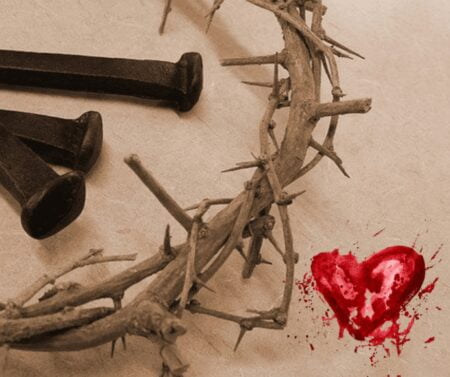
There’s a very popular scripture that says “Everyone have sinned and fall short of God’s glory” (Romans 3:23), and it only takes the grace of God through confessing our sins that we can be saved. Sin is the perfect avenue in which Devil uses to win many Christians over. But one thing you should know is that not all since are the same, the deadly ones are called Mortal sins, and in this article we will be clarifying what is mortal sin and most common examples.
Types of sin are mostly familiar with we the Catholics, but as a true Christian, it’s good know this. To avoid sin in this present day and time have become a strong obstacle for many folks as the temptations of this world keeps rising. Even King Solomon stated it clear in Proverbs 28:8, that a prayer of a sinner is like an abomination to God. So it’s best advisable to always ask for forgiveness of sin before any prayer session, even when we believe we are without sin.
SEE ALSO: List Of Catholic Saints Names, Meanings and Significance
Types Of Sin
- Original Sin
- Actual Sin: Mortal Sin and Venial Sin
What is a Mortal Sin?
Mortal Sin is a grave and deadly sin committed against God or against man. Many often regard it as the sin of the Holy spirit, and it a person do not repent and ask for forgiveness of this type of sin before death, he or she is bound to eternal condemnation. Mortal sins are the chief sins, and done deliberately. It weakens the human conscience and one will have to undergo forgiveness and penance before the sin can be cleansed.
Psalm 51:5-10 made us to understand that as humans we are born into sin, even before we were conceived we have been sinful. This type of is the Original Sin, which some often calls the sin of Adam and Eve. This sin can be cleansed by the sacrament of baptism, and that’s major reason Catholic supports infant baptism. This sacrament will connect the grace of God back to our lives, until we commit a mortal sin.
Mortal sin cuts us off from the grace of God, and taking the sacrifices of God for granted. Without proper confession and penance, it can lead to eternal condemnation of our souls.
Difference between Venial Sin and Mortal Sin
Both are under actual sin, but the mortal sin is grave and and more severe, and can only be cleansed only by confession. It cuts us off from the grace of God, unlike the venial sin that can be wiped clean by only prayers.
Mortal sins are often the sin we commit deliberately, being fully aware that it’s a sin against God or your fellow human. But venial sin can be as a result of your unconscious act or ignorance.
Both sins can cause spiritual harm and must be repented, but only mortal sins require confession in order to absolve them.
What Makes an Act a Mortal Sin?
For an action to be considered a mortal sin, these three conditions must be present:
1. Grave Matter
One of the conditions that make a sin a mortal one is its graveness. That’s why actions that are inherently immoral, inhumane, and evil are already considered mortal sins.
2. Full Knowledge
To classify an action as a mortal sin, you should have full knowledge about it. If you plan to do something and you already know that it is impure and evil, then it’s considered a mortal sin.
3. Deliberate Consent
If you choose to commit a grave act without someone forcing you, then it’s a mortal sin. Pushing people to sin will only count as a venial sin.
Examples of Mortal Sins
The Catholic church does not really have an exhaustive list of mortal sins. But based on the conditions above, here are some of the most common examples of mortal sins.
1. Worshiping false gods
There’s a reason why the first of the ten commandments states that we shall not have any other Gods aside from the one true God. It’s simply the most important commandment of all. As stated in the Bible, Deuteronomy 5:9, where God warned us about worshiping another gods saying; “Do not bow down to any idol or worship it, for I am the Lord your God and I tolerate no rivals. I bring punishment on those who hate me and on their descendants down to the third and fourth generation”.
Thus, acts of worshiping false Gods rank high up on the list of mortal sins. This includes:
- Idolatry. Idolizing other Gods is a mortal sin because you are worshiping and putting your faith in a false god. Adoration of a false god is a grave matter and is considered a mortal sin.
- Sacrilege. Heresy is when you dishonor or disrespect something that’s considered sacred and holy, such as burning a cross, defacing Catholic churches, or desecrating any elements of the Eucharist.
- Atheism. Atheism means that you don’t believe in any God, including the one true and living God, which, in itself, is a violation of the first commandment.
2. Taking a life
The sixth commandment states that a person should not kill because taking a life is a very grave matter. That’s why acts like the following are some of the worst examples of mortal sins:
- Abortion. Abortion is killing a baby while it’s still inside the womb. In Catholic doctrine, abortion still counts as murder because a fetus has a life too.
- Euthanasia. Also known as “mercy killing”, euthanasia is still a grave matter and is considered a mortal sin. Regardless of the motive, it’s still an act of murder.
- Suicide. Taking a life, whether other people’s or your own, is a grave offense. Life is life, no matter whose it is.
- Murder/Manslaughter. The fifth commandment literally prohibits this. Thus, you know full well that it’s a sin, and yet you deliberately did it. All these make it one of the gravest of the mortal sins on this list.
3. Marital infidelity
Aside from the sixth commandment, many verses in the Bible have repeatedly emphasized that we should not commit adultery or marital infidelity. It’s inherently immoral. Not to mention that it can tear families apart. Hence, any sexual act you do with someone other than your wife or husband is a mortal sin. Examples of this include:
- Pornography. These days, watching or reading pornographic materials have become more common. But that doesn’t make it less sinful. Pornography, in whatever medium, is a direct violation of the commandment against adultery. Even though there is no physical contact, it still involves lustful thoughts. As Mathew 5:28 says, just looking at someone with lustful intent is already committing adultery in your heart.
- Fornication. Fornication is a sexual interaction between two people who are not bound by matrimony. According to the bible, God prohibits it, and thus can also be considered a mortal sin.
- Prostitution. Prostitution is also a mortal sin unless you’re a victim of sex trafficking. It is when you use your body for sex and ask for money in return. This act defiles your body and dishonors God.
- Rape. Forcing yourself on someone is a grave matter and an act of pure evil. This mortal sin violates the integrity and freedom of the victim and can damage their soul for the rest of their life.
4. Stealing
Stealing is also a mortal sin. It doesn’t matter how much or how little you stole. The simple act of taking something that’s not yours is a direct violation of the seventh commandment making it a grave sin.
- Theft. Even St. Paul wrote in the bible that thieves and swindlers have no place in the kingdom of God (1 Corinthians 6:9-10).
- Robbery. This form of stealing involves using violence, force, or intimidation to take other people’s belongings. By the very grave nature of this act, it should be no wonder that this is a mortal sin.
5. Deadly sins
The seven deadly sins are considered to be the most serious sins man can commit. As such, they deserve a spot on this list. As per Catholic teachings, the seven deadly sins include:
- pride
- anger
- lust
- envy
- gluttony
- avarice
- sloth
6. Taking advantage of the poor
According to Pope Pius X, oppressing the poor and taking advantage of their plight is one of those sins that cry to God for vengeance. This includes defrauding your workers of their wages. It’s equivalent to stealing, which is another grave offense. These acts are not only sinful in the eyes of God but also of men.
7. Blasphemy
In his writings, St Thomas Aquinas states that “blasphemy or any word or deed that is an insult to God is much more grievous than perjury.” Using the name of the Lord in vain is not only an insult to the holiness of His name but also a violation of the second commandment.
Seeking for God’s Forgiveness
In Catholicism, if anyone dies with mortal sin, the soul will suffer in hell and faces eternal condemnation. However, when we commit these sin, we should ask for forgiveness and as God is a merciful God, he will never reject our plead. He even had to send his beloved son to die for us (John 3:16).
According to the gospel of St. John, if we only confess our sins, he will forgive us and purify us from all unrighteousness (1 John 1:9). For we all have sinned, but through Christ’s blood, we have been redeemed (Colossians 1:22). If we repent our sins and return to God, He will wash away our sins and lead us to a new and everlasting life (Acts 3:19).


